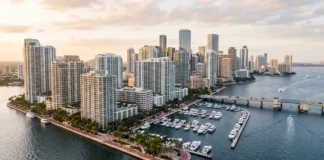

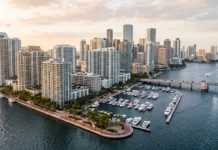
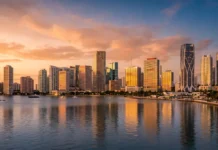
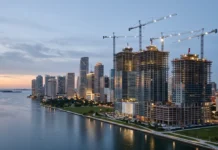


In the summer of 2026, the United States, Canada, and Mexico will co-host the FIFA World Cup, the largest sporting event in history. For Miami, one of the premier host cities, the tournament represents much more than seven matches at Hard Rock Stadium. It is a defining moment that is accelerating infrastructure development, amplifying global visibility, and reshaping the local real estate market. For international investors, understanding the “World Cup effect” is crucial for strategic positioning.
Historically, host cities of major global events experience a surge in infrastructure investment that creates lasting value for surrounding real estate. Miami is no exception. The preparation for the World Cup is accelerating improvements in transportation networks, public spaces, and hospitality infrastructure. These enhancements improve livability and connectivity in ways that directly support property values long after the final whistle. Investors who position themselves in neighborhoods benefiting from these upgrades often capture the appreciation that accompanies improved urban mobility.

The immediate economic impact is also substantial. With an estimated 700,000 visitors expected in South Florida, the demand for accommodations will reach unprecedented levels. While hotels will absorb much of this demand, the short-term rental market is uniquely positioned to benefit. Properties that allow flexible rentals, particularly in well-located areas near transit hubs and entertainment districts, are expected to command premium rates. However, savvy investors understand that a few weeks of peak rental income should not be the sole basis of an investment thesis; the true value lies in the long-term exposure the city will receive.
Perhaps the most significant impact of the World Cup is the global spotlight it places on Miami, particularly for Latin American and European buyers. The tournament will introduce Miami’s evolved lifestyle, luxury developments, and business environment to a new wave of affluent international visitors. This exposure traditionally creates a pipeline of future real estate demand, as visitors often transition into property owners after experiencing the city firsthand.
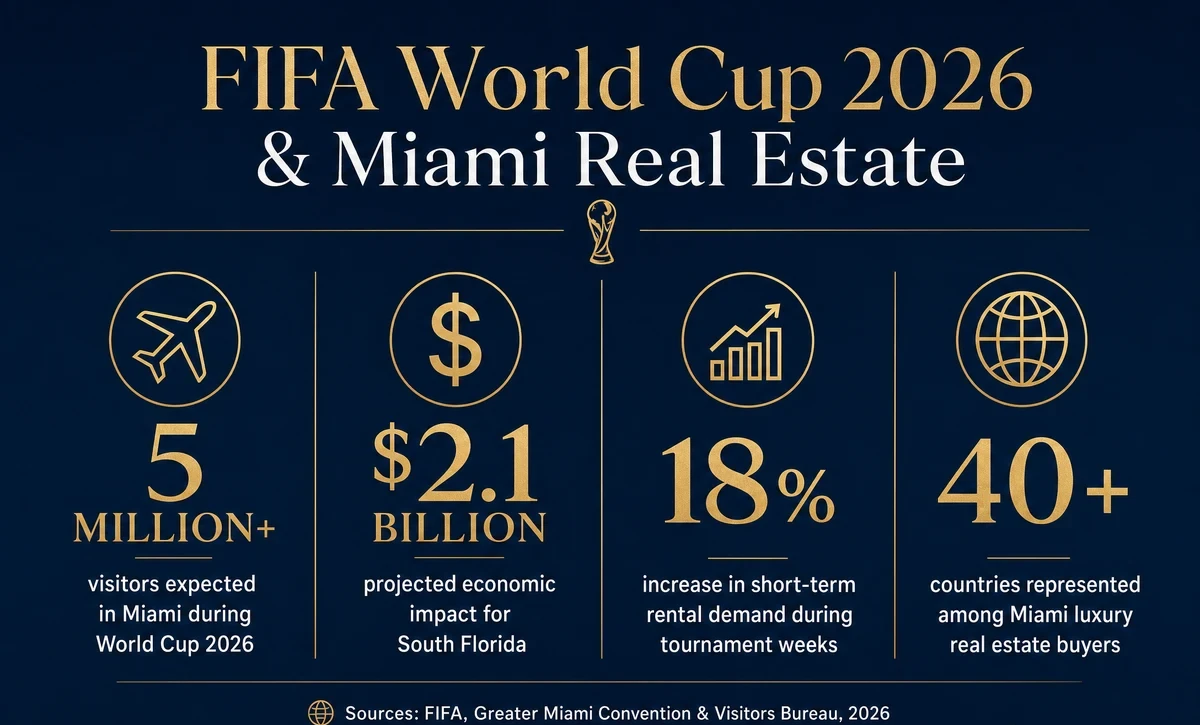
Key data: Miami is expected to receive over 5 million visitors during the FIFA World Cup 2026, generating a projected economic impact of $2.1 billion for South Florida. Short-term rental demand is forecast to increase by 18% during tournament weeks, while the Miami luxury real estate market already counts buyers from more than 40 countries — a diversity that positions the city as a permanent global investment hub, well beyond the tournament itself. (Sources: FIFA, Greater Miami Convention & Visitors Bureau, 2026)
For buyers evaluating Miami, the World Cup serves as a deadline that drives market momentum. Waiting until the event arrives often means competing in a more saturated and expensive market. Pre-construction properties and strategically located existing inventory offer compelling opportunities for those who act ahead of the curve.
Ready to invest? If you are considering investing in Miami real estate ahead of the 2026 World Cup, contact Faccin Investments to explore strategic opportunities aligned with your long-term goals.
Frequently Asked Questions
Will the World Cup increase property values in Miami?
Historically, major global events accelerate infrastructure and global exposure, which can support long-term property value appreciation in key neighborhoods.
Is it a good time to buy a short-term rental property?
Properties with flexible rental policies in prime locations are attractive, but investments should be based on year-round performance, not just tournament weeks.