




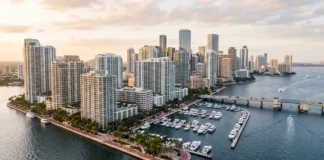
Miami’s allure is undeniable, with its vibrant culture, stunning waterfront, and dynamic real estate market. However, for both U.S. movers and international buyers eyeing coastal properties, understanding the nuances of flood zones, insurance requirements, and building resilience is paramount. This guide provides an address-level due diligence roadmap to help you make informed decisions.
Understanding Miami’s Water-Related Risks by Address
When evaluating a property in Miami, it’s crucial to distinguish between different types of water-related risks. While often conflated, FEMA flood zones, storm-surge zones, and evacuation zones serve distinct purposes and are determined by different authorities.
FEMA Flood Zones: These zones, managed by the Federal Emergency Management Agency (FEMA), indicate the likelihood of a property flooding. They are critical for determining flood insurance requirements, especially for properties with federally backed mortgages. You can check a property’s official flood zone designation using the FEMA Flood Map Service Center (MSC). It’s important to note whether a map is “current” (effective) or “preliminary” (subject to change and not yet effective for insurance purposes).
Storm-Surge and Evacuation Zones: These zones, typically managed by local authorities like Miami-Dade County, identify areas vulnerable to storm surge from hurricanes and dictate evacuation orders. While there’s overlap, a property in a low-risk flood zone might still be in a storm-surge or evacuation zone. Miami-Dade County provides an address tool to help residents identify their specific storm-surge and evacuation zones.

Remember, no location is entirely risk-free from flooding. These designations help quantify the risk and inform protective measures.
Flood Insurance Requirements and Considerations
Flood insurance is a critical component of property ownership in Miami, and its requirements can be complex, especially for condominium units. The National Flood Insurance Program (NFIP) sets standards, but private insurers also offer policies.
Citizens Property Insurance Corporation: If your property’s wind coverage is with Citizens, be aware of their phased flood insurance requirements. Most personal residential policies with wind coverage will phase in a requirement for flood coverage by January 1, 2027. For properties located outside a Special Flood Hazard Area (SFHA), the 2026 Coverage A threshold is $400,000. It’s important to note that condominium unit-owner and tenant-content policies are generally exceptions to these specific phased requirements.
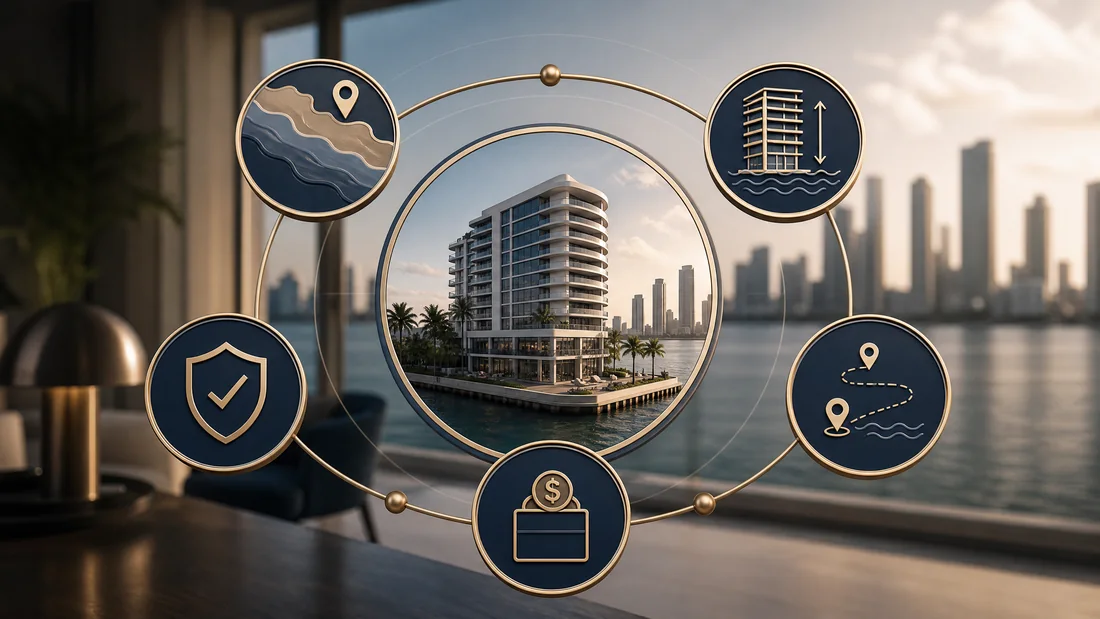
Master Policy vs. Unit Owner Policy (HO-6): For condominium buyers, understanding the distinction between the building’s master insurance policy (held by the Homeowners Association or HOA) and your individual unit owner’s policy (HO-6) is vital. The master policy typically covers the building’s structure and common areas, including flood damage to the building itself. Your HO-6 policy covers the interior of your unit, personal belongings, and certain assessments from the HOA. You can learn more about this in our guide to Miami condo due diligence, inspections, reserves, and insurance.
When reviewing insurance, pay close attention to deductibles for both wind and flood coverage, as these can be substantial. Also, inquire about the HOA’s reserve funds, which are crucial for covering unexpected repairs and potential insurance gaps.
Assessing Building Resilience and Elevation
Beyond insurance, a property’s physical resilience to water is a key factor. This involves examining its construction, elevation, and any protective measures.
Elevation Certificates (EC): For properties in a Special Flood Hazard Area (SFHA), an Elevation Certificate (EC) is a crucial document. It details the property’s elevation relative to the base flood elevation (BFE) and is used by insurance companies to determine flood insurance premiums. A higher elevation relative to the BFE can sometimes lead to lower premiums.
Engineering and Building Records: Requesting and reviewing engineering reports, building permits, and maintenance records can reveal important information. Look for evidence of floodproofing measures, elevated utilities, or past repairs related to water intrusion. The age and condition of the roof, impact-resistant windows, and the overall construction materials also contribute to a building’s resilience.
While these measures enhance protection, they do not guarantee safety or lower premiums, nor do they assure insurability or appreciation.
Your Address-Level Due Diligence Checklist
To ensure a thorough evaluation of any Miami property, consider this checklist:
- FEMA Flood Map Service Center (MSC): Input the address to identify the official flood zone. Note whether the map is current or preliminary.
- Miami-Dade County Address Tool: Check the property’s storm-surge and evacuation zone designations.
- Elevation Certificate (EC): Obtain and review this document, especially for properties in SFHAs, to understand the building’s elevation relative to the Base Flood Elevation.
- Insurance Policies:
- Master Policy (for condominiums): Review the building’s master insurance policy for flood and wind coverage, deductibles, exclusions, and the adequacy of the HOA’s reserves for potential water-related damage.
- Unit Owner Policy (HO-6): Understand what your individual policy covers, particularly regarding flood damage to your unit’s interior and personal property.
- Citizens Requirements: If applicable, confirm how the property aligns with Citizens Property Insurance Corporation’s phased flood insurance requirements.
- Building Records: Request and analyze engineering reports, building permits, and maintenance logs for any past water-related issues, repairs, or flood mitigation efforts.
- HOA Documents (for condominiums): Review meeting minutes for discussions about water intrusion, special assessments for building resilience, and the latest reserve study.
Ready to Navigate Miami’s Real Estate with Confidence?
Understanding flood zones, insurance, and building resilience is a complex but essential part of buying property in Miami. While this guide provides a solid starting point, navigating these details requires expert insight. Our team at Faccin Miami specializes in helping buyers conduct thorough due diligence, ensuring you have all the information needed to make a sound investment.
Ready to explore Miami’s unique real estate landscape with expert guidance? Contact our team at Faccin Miami for personalized assistance.

, and building resilience. Use our address-level checklist for informed property buying.)