


When global tensions escalate, financial markets invariably react. We have seen this clearly in recent weeks, as the breakdown of the U.S.-Iran ceasefire in July 2026 sent shockwaves through global equities, spiked oil prices, and pushed the 10-year Treasury yield higher, bringing mortgage rates along with it.
Yet, amidst this macroeconomic volatility, a familiar pattern is emerging: while many global real estate markets contract, South Florida stands resilient. According to recent data, while commercial real estate sales dropped nationally and markets like Dubai saw immediate price corrections, Miami-Dade recorded its ninth consecutive month of rising residential sales.
The Safe Haven Premium
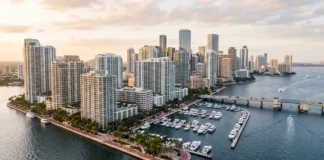
Miami’s unique position as a global gateway city provides a structural advantage during times of uncertainty. International buyers and high-net-worth individuals increasingly view South Florida not just as a lifestyle destination, but as a critical safe haven for capital preservation.
This is reflected in the market’s fundamental mechanics. While higher mortgage rates (currently hovering around 6.39% for a 30-year fixed) deter traditional domestic buyers, the luxury segment in Miami operates on a different frequency. Cash transactions represented 38.5% of all Miami sales in April 2026, far exceeding national averages. When buyers do not rely on financing, they are insulated from rate fluctuations.
Luxury Market Outperformance
The numbers speak for themselves. Sales of properties priced above $5 million increased 25% year-over-year in recent months. This high-end buyer demographic remains largely isolated from the immediate geopolitical landscape and domestic tax pressures that affect the broader market.
For investors navigating the second half of 2026, the takeaway is clear: Miami’s real estate market does not just follow global trends; it absorbs global capital seeking stability. As long as uncertainty persists elsewhere, the demand for premium South Florida real estate will remain robust.