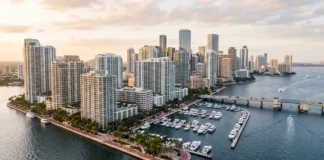


In the first five months of 2026, the condominium associations of three of Miami’s most talked-about luxury towers filed lawsuits against their developers, alleging serious construction defects: concrete cracking, water infiltration, fire system failures, and promised amenities that simply do not exist. The buildings involved — Aston Martin Residences, Missoni Baia in Edgewater, and Amrit Ocean Resort in Singer Island — represent hundreds of millions of dollars in investments by buyers who expected world-class quality. Their experience is an important lesson for any buyer evaluating Miami’s luxury condo market.
The 2026 Construction Defect Wave
The Aston Martin Residences lawsuit, filed in February 2026, alleges widespread water intrusion, structural cracks in the parking garage, and a rooftop amenity deck that remains incomplete more than a year after the building received its certificate of occupancy. The association is seeking damages exceeding $40 million. At Missoni Baia, the association filed suit in March 2026, citing defects in the building envelope, elevator systems, and pool areas. The Amrit Ocean Resort case, filed in April, involves disputes over incomplete spa facilities and mechanical system failures.
What unites these cases is a pattern that experienced Miami real estate professionals have observed for years: the gap between the marketing promise and the delivered product. Brand-name developments — whether automotive, fashion, or hospitality — attract premium prices based on the prestige of the name. But the brand licensor does not build the building. The developer and general contractor do, and their track record is what ultimately determines quality.
Florida’s Chapter 558 Process
Under Florida law, condominium associations must follow a specific pre-litigation process before filing a construction defect lawsuit. Chapter 558 of the Florida Statutes requires associations to serve a written notice of claim on the developer, giving them an opportunity to inspect the alleged defects and make an offer to repair or settle. This process can take 60 to 120 days before litigation begins. In practice, most cases still end up in court because developers dispute the scope of defects or the cost of remediation.
For buyers, the existence of this process means that construction defect disputes are rarely resolved quickly. Litigation can take three to five years, and during that time, the building’s financial health may be affected by legal costs, insurance premium increases, and the uncertainty that deters potential buyers. Buildings involved in active litigation often see reduced market activity and, in some cases, lender reluctance to approve mortgages.
Due Diligence Steps That Matter
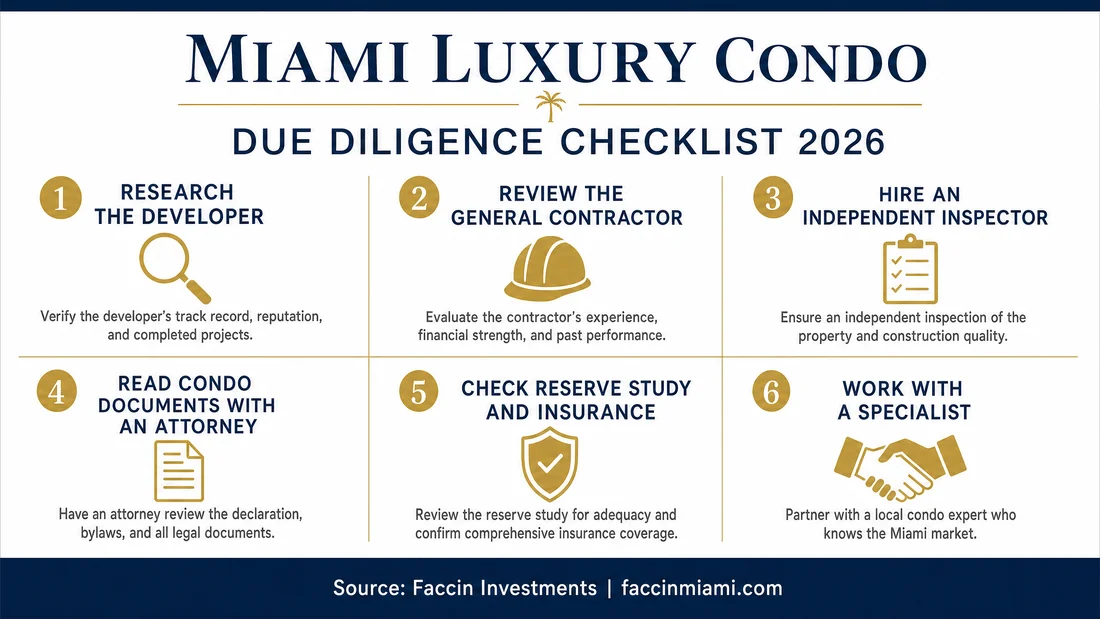
The construction defect wave of 2026 makes pre-purchase due diligence more important than ever. For buyers considering new construction, the following steps are essential:
Research the developer’s track record. How many buildings has this developer completed? Have any of their previous projects faced construction defect claims? A developer with a history of litigation is a significant red flag, regardless of the brand name on the building.
Hire an independent inspector. The developer’s punch list inspection is not sufficient. A qualified, licensed engineer should inspect the unit and, where possible, common areas before closing. This is standard practice for sophisticated buyers in Miami and should be non-negotiable for international buyers who may not be present during construction.
Review the condo documents carefully. The declaration of condominium, warranty provisions, and any arbitration clauses can significantly affect your legal options if defects emerge after closing. A real estate attorney experienced in Florida condo law should review all documents before you sign.
Assess the reserve fund. Underfunded reserves are a warning sign. Florida law now requires condominiums to maintain fully funded reserves for structural components, but buildings that were underfunded before the new law may face special assessments to catch up. Review the most recent reserve study and financial statements.
Check insurance premiums. Buildings with known defects or litigation history often face significantly higher property insurance premiums. These costs are passed to unit owners through HOA fees. Ask for the current insurance policy and compare premiums to similar buildings.
Brand Names and Legal Responsibility
One of the most important lessons from the 2026 cases is that brand licensors — Aston Martin, Missoni, and similar names — bear no legal responsibility for construction quality. Their involvement is limited to licensing their name and providing design guidelines for interiors and amenities. The developer and general contractor are the legally responsible parties for construction defects. Buyers who purchase based primarily on brand prestige without researching the actual developer are taking on significant risk.
This does not mean that branded developments are inherently problematic. Some of Miami’s most successful luxury buildings carry prestigious brand names and have delivered exceptional quality. The distinction is in the developer’s track record, not the brand. A developer with a proven history of quality construction and responsive warranty service is a far better indicator of what you will receive than the name on the facade.
What This Means for the Market
The construction defect lawsuits of 2026 are not a sign that Miami’s luxury market is in trouble. They are a sign that the market has matured to the point where buyers and their associations are willing to hold developers accountable for delivering what was promised. This is ultimately healthy for the market, as it creates incentives for developers to prioritize quality over marketing.
For buyers, the practical lesson is clear: the purchase price is only the beginning of the financial commitment. The true cost of ownership includes HOA fees, insurance, potential special assessments, and the risk of purchasing into a building with unresolved defects. Working with an experienced advisor who knows the Miami market, understands developer reputations, and can guide your due diligence process is the most effective way to protect your investment.
Contact Faccin Investments to speak with a specialist who understands Miami’s luxury condo market, knows which developers have a proven track record, and can guide your due diligence process from search to closing.
Frequently Asked Questions
Which Miami luxury condos have construction defect lawsuits in 2026?
The Aston Martin Residences (Downtown), Missoni Baia (Edgewater), and Amrit Ocean Resort (Singer Island) have all filed suits in the first five months of 2026.
Does a brand name guarantee construction quality in Miami?
No. Brand licensors like Aston Martin or Missoni do not oversee construction and bear no legal responsibility for defects. The developer and general contractor are the entities that matter.
What is Chapter 558 in Florida?
It is a state law requiring condo associations to notify developers of construction defects before filing a lawsuit, giving them a chance to repair. In practice, most cases still end up in litigation.
How can I protect myself when buying a new construction condo in Miami?
Hire an independent inspector, review the developer’s track record, read all condo documents with a real estate attorney, and work with an experienced local advisor.